



Emergency Lighting Maintenance & Servicing

Reliable Emergency Lighting for Safe Emergency Evacuation

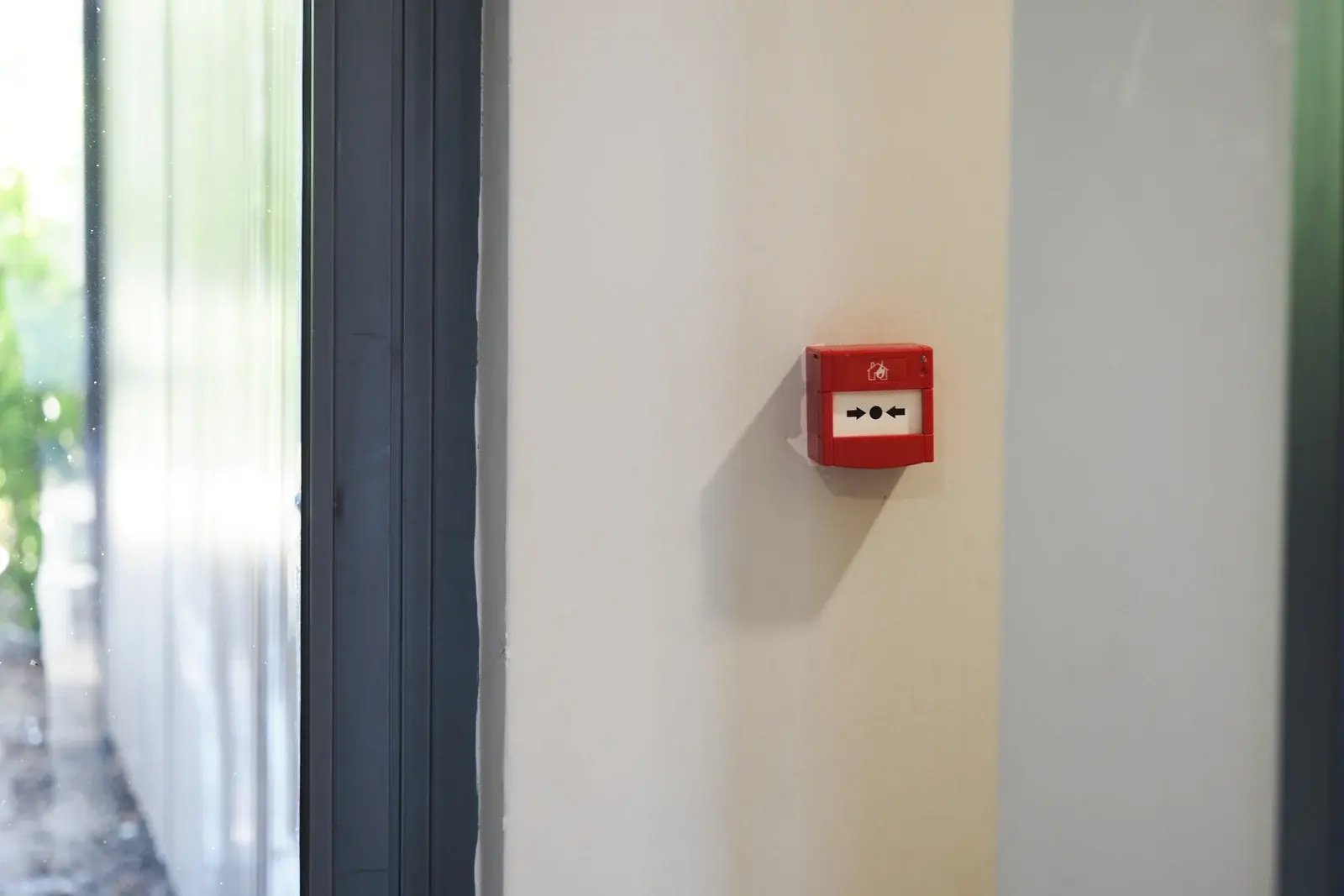
Emergency-alarm-box-on-the-wall

Emergency lighting exists for one purpose: to illuminate escape routes and exits when the mains power fails. In a fire, power outage, or other emergency, occupants must be able to see clearly enough to navigate safely out of the building. If your emergency lighting fails at that critical moment, the consequences can be severe.

Regular emergency lighting maintenance ensures your system will perform when needed. Batteries degrade, lamps fail, and control gear deteriorates over time. Without planned testing and servicing, these faults remain hidden until the lights are called upon in a genuine emergency — and fail to operate.

AEL Fire & Security provides professional emergency lighting maintenance and servicing across the UK, ensuring your emergency luminaires remain fully functional, compliant with BS 5266, and ready to protect your building occupants.

Why Emergency Lighting Maintenance Matters

Emergency lighting maintenance is a legal requirement under UK fire safety legislation. The Regulatory Reform (Fire Safety) Order 2005 places a duty on the responsible person to ensure that emergency escape lighting is maintained in working order. Building Regulations also require emergency lighting in specific circumstances, and your fire risk assessment will identify where emergency lighting is needed and what maintenance regime is appropriate.

Failure to maintain emergency lighting can result in enforcement action from the fire authority, prosecution in serious cases, and significant liability exposure if an incident occurs and the system is found to have been defective. Insurance cover may also be affected if you cannot demonstrate that emergency lighting has been properly maintained.

Beyond compliance, emergency lighting protects life. In a fire or sudden power failure, occupants need to identify escape routes, avoid obstacles, and reach safety. Properly maintained emergency lighting provides that protection. A system with failed lamps, depleted batteries, or obscured luminaires does not.

For schools and educational settings, functioning emergency lighting is essential for the safety of pupils and staff. Fire safety inspections will examine your emergency lighting provision and maintenance records. For warehouses, logistics facilities, and large commercial premises, the challenge of illuminating extensive floor plates, high racking aisles, and multiple escape routes makes reliable emergency lighting particularly critical.

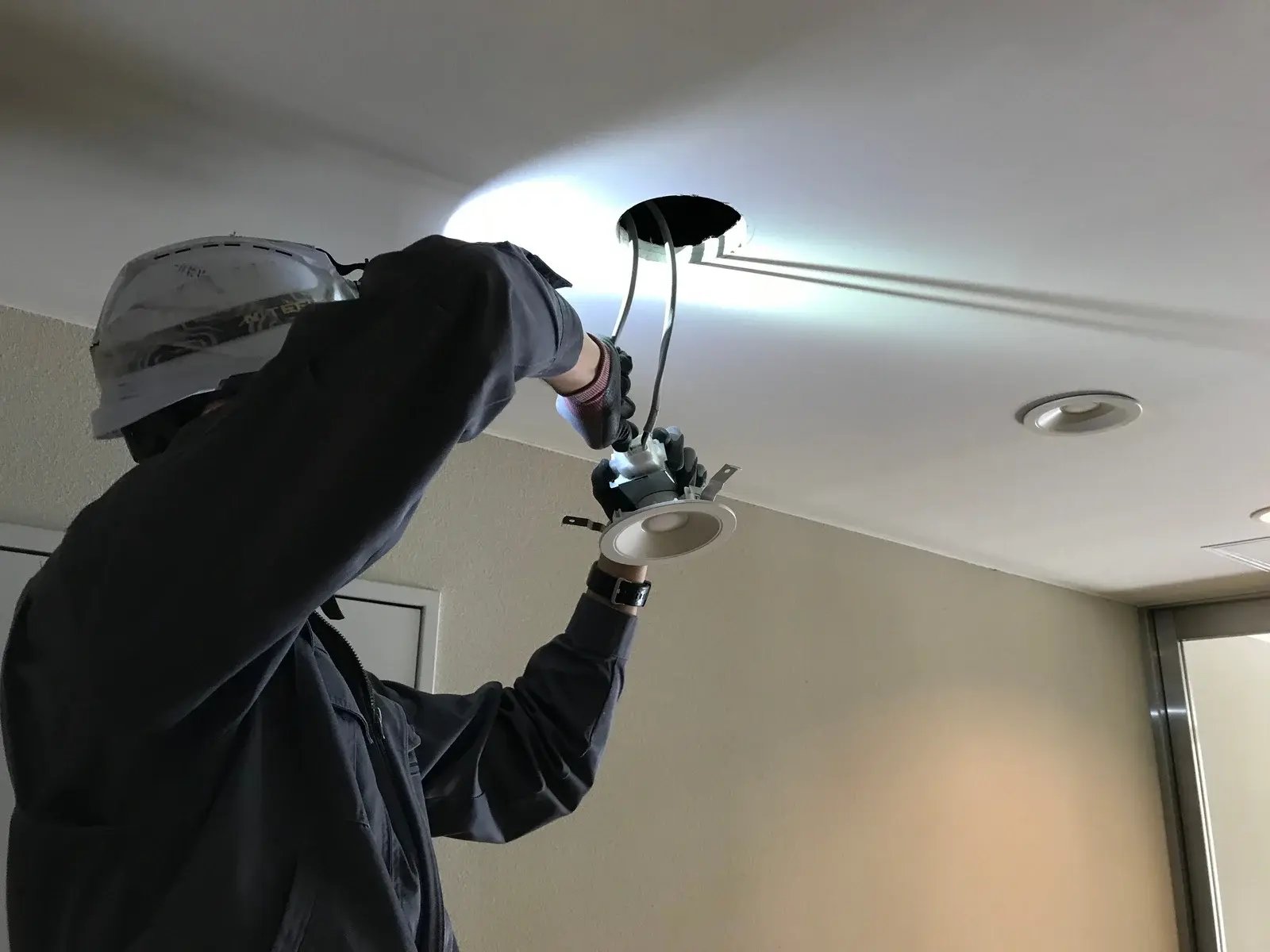
Light-service

BS 5266 Compliance Requirements

BS 5266-1 is the British Standard code of practice for emergency lighting. It sets out requirements for system design, installation, and — critically — ongoing testing and maintenance. Compliance with BS 5266 demonstrates that your emergency lighting meets recognised industry standards and supports your fire safety obligations.

The standard specifies two main categories of routine testing:

Monthly functional tests

Verify that each luminaire operates correctly when the mains supply is interrupted. This brief test — sometimes called a flick test — confirms the lamp illuminates on battery power and that the charging system is functioning. Results must be recorded in your fire safety logbook.

Annual full-duration discharge tests

Verify that batteries can sustain illumination for the full rated duration, typically three hours for most commercial premises. This test fully discharges the batteries and confirms the system will perform throughout an extended emergency. It must be carried out by a competent person, and results documented.

In addition to these routine tests, periodic professional servicing ensures all components are inspected, cleaned, and maintained to manufacturer specifications. This includes checking luminaire condition, verifying correct light output, testing control gear, and identifying components approaching end of life.

What Emergency Lighting Maintenance Covers

A comprehensive emergency lighting maintenance programme addresses every component of your installation. Our engineers carry out systematic checks to verify correct operation, identify developing faults, and ensure continued compliance with BS 5266.

Luminaire inspection

Each emergency luminaire is visually inspected for damage, discolouration, dirt accumulation, and correct positioning. Diffusers are cleaned to ensure maximum light output. Mounting integrity is checked to confirm units are securely fixed.

Lamp and LED verification

Light sources are checked for correct operation and adequate output. Failed or degraded lamps are identified for replacement. For LED units, light output degradation over time is assessed.

Battery testing

Batteries are tested to verify they hold sufficient charge to sustain illumination for the rated duration. Battery condition is assessed, and units approaching end of life are identified for planned replacement before they fail in service.

Control gear and charging systems

Charging circuits are verified to confirm batteries are being correctly maintained. Control gear is checked for correct operation, and any fault indicators are investigated.

Functional testing

Each luminaire is tested to confirm it activates correctly when mains power is interrupted and provides adequate illumination of its designated area.

Annual discharge testing

Full-duration discharge tests are conducted to verify the complete system can sustain illumination for the required period. This comprehensive test provides assurance that the installation will perform throughout an extended emergency.

Documentation

Every service visit concludes with a detailed report documenting findings, corrective actions, and recommendations. Test results are recorded to support your fire safety logbook and compliance records.

Common Issues Identified During Servicing

Routine emergency light maintenance consistently identifies issues that would otherwise remain hidden until a genuine emergency occurs. Common findings include batteries with reduced capacity that would fail before the end of the rated duration, and lamps that have failed or are operating at reduced output.

Luminaires obscured by storage, signage, or building modifications are frequently identified, as are units with damaged diffusers that reduce light distribution. In older installations, control gear failures and charging circuit faults are common, along with components that have reached end of life with limited spare part availability.

Our engineers also identify coverage gaps where building modifications have altered escape routes or added new areas requiring emergency lighting. These gaps represent both a compliance issue and a genuine safety risk that should be addressed promptly.

Self-Contained Vs Central Battery Systems

Emergency lighting installations fall into two main categories, each with different maintenance requirements.

Self-contained luminaires

Have individual batteries within each fitting. These are the most common type in commercial premises. Maintenance focuses on testing and replacing batteries within each unit, typically on a four-year cycle depending on battery type and usage.

Central battery systems

Use a centralised battery bank to power multiple luminaires. These systems require specific maintenance of the central unit, including battery testing, charger verification, and distribution circuit checks, alongside inspection of individual luminaires.

AEL engineers are experienced with both system types and will ensure your maintenance programme is appropriate for your specific installation.

Trusted By Leading Businesses

Why Choose AEL For Emergency Lighting Maintenance

 AEL Fire & Security provides emergency lighting maintenance as part of our comprehensive fire safety service offering. Our engineers are trained to BS 5266 requirements and understand the specific testing and documentation obligations that apply to emergency lighting systems. 

With over 20 years of experience, we maintain emergency lighting installations across all sectors, from small commercial premises to large multi-building sites. We work with all major luminaire manufacturers and can service systems ranging from basic maintained fittings to sophisticated central battery installations.

Our service model prioritises long-term partnerships. Maintenance customers receive scheduled testing visits, detailed compliance documentation, and priority response for any issues identified. We provide clear reporting that supports your fire safety logbook and demonstrates compliance to inspectors and auditors.

For organisations with multiple sites, we deliver consistent emergency lighting maintenance standards across your entire portfolio, with centralised reporting and simplified contract management.

AEL Systems Service Images (2)

Request A Maintenance Review

If your emergency lighting is due for testing, or if you are unsure whether your current maintenance programme meets BS 5266 requirements, we can help. Our team will review your installation, assess your compliance position, and provide a clear proposal for ongoing emergency lighting maintenance and servicing tailored to your requirements.

Contact us today to discuss your emergency lighting maintenance needs or to request a compliance review.

Accreditations

We’re committed to delivering the highest standards across every project. Our fire safety services are BAFE certified, and our security solutions are approved to NSI Gold standards — the industry benchmark for excellence. We also hold Constructionline, CHAS, SafeContractor, and ISO 9001 certifications, ensuring all work is carried out safely, professionally, and in full compliance with audited industry standards.
Request Your Bespoke Quote

Every business is different — so your fire and security solution should be too. Fill out the short form to receive tailored pricing based on your specific requirements, site size, and system needs.

No obligation, no pushy sales – just clear, expert advice and a customised quote from our team.

Let us know what you need, and we’ll take care of the rest.

fire-alarm-monitoring