Choosing the right CCTV system for a business is about much more than buying cameras with the highest resolution or the most features.
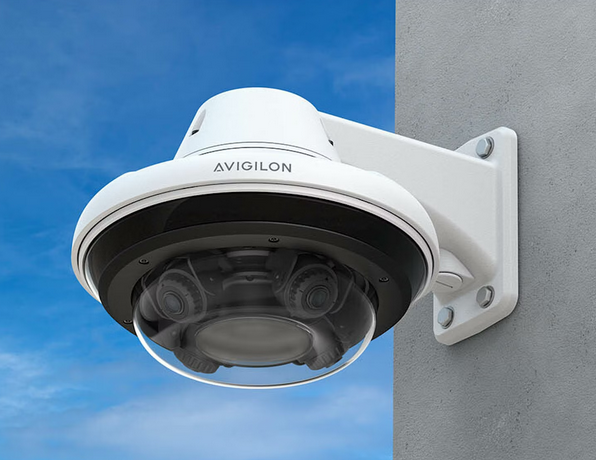
Modern commercial CCTV cameras can offer high-definition footage, intelligent analytics, remote access, night vision and integration with other security systems. However, not every business needs every available feature. The right system depends on your premises, security risks, operating hours, budget and how you intend to use the footage.
For UK businesses, there is another important consideration: data protection. CCTV footage can contain personal data, meaning businesses need to think carefully about how footage is collected, stored, accessed and retained.
Whether you're securing a small shop, office, warehouse, industrial site or multiple commercial premises, understanding the key features can help you choose a system that provides useful protection without paying for technology you don't need.
Here are the features worth considering when comparing commercial CCTV systems.
1. Image Quality and Resolution
Image quality should be one of the first things to consider when choosing CCTV.
A camera that provides a clear image can make it easier to identify people, vehicles, objects and incidents. However, higher resolution isn't automatically better for every situation.
A 2MP or 1080p camera can be suitable for general monitoring where you simply need to see what is happening within an area.
For businesses that need greater detail, 4MP or higher cameras can provide a useful improvement in image clarity. Higher-resolution cameras can be particularly valuable around entrances and exits, reception areas, car parks, stock rooms, or areas where identification may be important.
4K cameras can provide even more detail, but they also require more storage and network capacity. The goal should be to select a resolution that allows the camera to fulfil its intended purpose rather than simply choosing the highest specification available.
2. Field of View and Lens Options
Resolution isn't the only factor affecting what a camera can see. The lens and field of view (FoV) are equally important.
A wide-angle camera can cover a large area, making it useful for open spaces such as warehouses, yards and car parks. However, a wider field of view can mean that objects further away appear smaller. A narrower field of view can be more appropriate when you need to monitor a specific area, such as a doorway, till or corridor.
For commercial premises with more complex requirements, a professional assessment can help determine which lenses and camera positions are appropriate.
3. Night Vision and Low-Light Performance
A CCTV system needs to provide useful footage when lighting conditions aren't ideal.
This is particularly important for businesses that operate overnight or have outdoor areas that are poorly lit.
- Infrared Night Vision: Infrared (IR) technology allows many CCTV cameras to capture footage in low-light or dark conditions. The resulting image is generally displayed in black and white.
- Full-Colour Night Vision: Some modern cameras can provide colour footage in very low-light conditions. However, performance varies depending on the amount of available light and the specific camera technology.
- Wide Dynamic Range: Can also be valuable in commercial environments.
- Manage multiple premises
- Travel between sites
- Need to check an incident outside normal working hours
- Want notifications about specific events
- Need authorised managers to access footage remotely
- Human detection
- Vehicle detection
- Line-crossing detection
- Intrusion detection
- Perimeter protection
- People counting
- Heat mapping
- Automatic Number Plate Recognition (ANPR)
- Strong, unique passwords
- Multi-factor authentication where supported
- User access controls
- Encryption
- Secure remote access
- Regular firmware updates
- Secure network configuration
- Removal or changing of default credentials
- Intruder alarms
- Access control
- Biometrics
- ANPR
- Security monitoring
- Other site security technologies
- A proper site survey
- A clear camera layout
- Explanation of why particular cameras have been recommended
- Suitable storage calculations
- Secure remote-access configuration
- Appropriate signage recommendations
- System testing
- User training
- Ongoing maintenance
- Technical support
- A clear quotation covering installation and equipment
For example, a camera positioned inside an entrance may need to capture a relatively dark interior while also dealing with bright sunlight coming through the doorway. WDR helps balance these contrasting lighting conditions.
4. Weather Resistance and Vandal Protection
Outdoor cameras must cope with the UK's changing weather conditions.
When selecting cameras for external areas, check their environmental protection ratings rather than assuming that any camera can be installed outdoors.
An IP67-rated camera, for example, is designed to provide a high level of protection against dust and water ingress. This can make it suitable for many outdoor commercial applications when installed correctly.
Vandal resistance can also be important. An IK10-rated camera offers a high level of impact resistance and may be worth considering locations where cameras could be deliberately damaged.
5. Remote Access and Mobile Viewing
Business owners don't necessarily spend their entire working day on-site.
Remote access allows authorised users to view live or recorded CCTV footage from a computer, tablet or smartphone.
This can be particularly useful if you:
Modern business CCTV systems can provide features such as live viewing, recorded footage playback, push notifications and multiple user accounts.
6. Storage and Recording Capabilities
A high-quality camera is of limited value if your system cannot store enough footage.
Network Video Recorders (NVRs) are commonly used with IP CCTV systems to store recorded footage.
Cloud storage is another option. It can provide off-site storage, which may be useful if the physical recorder is stolen or damaged. However, cloud services may involve ongoing subscription costs and should be assessed in terms of security, connectivity and data protection.
7. AI Analytics and Smart Detection
Artificial intelligence has become increasingly common in modern CCTV systems.
Basic motion detection can identify movement, but more advanced AI analytics can help distinguish between different types of activity.
Depending on the system, features may include:
8. PoE, Connectivity and Scalability
The way your CCTV cameras connect to the network can affect reliability, installation, and future expansion.
Power over Ethernet (PoE) allows compatible cameras to receive power and transmit data through a single network cable.
This can simplify security camera installation for business premises and reduce the amount of separate cabling required.
PoE systems can also make it easier to expand an IP-based CCTV system as your business grows, provided the network equipment and NVR have sufficient capacity.
9. Cybersecurity and Data Protection
CCTV isn't only a physical security issue. Modern network-connected cameras are also technology devices that need to be protected from unauthorised access.
Important security features and practices can include:
The UK Government's guidance states that businesses using CCTV should control who can view recordings and ensure that the system is used for its intended purpose.
10. Integration With Other Security Systems
CCTV can be more effective when it works alongside other security measures.
Depending on your premises and requirements, your system may integrate with:
For example, an access-control event could potentially be linked to relevant CCTV footage, making it easier to investigate activity around a particular entrance.
Businesses with larger or more complex premises should consider integration when planning cctv security systems for business, rather than treating CCTV as an isolated technology.
Commercial CCTV Installation: Why Professional Setup Matters
Buying the right equipment is only part of the process.
Where cameras are positioned, how they are configured and how footage is managed can have a major impact on the effectiveness of the system.
Professional commercial CCTV installation can help businesses identify suitable camera locations, reduce blind spots, configure recording settings and establish appropriate remote access.
It can also help ensure the system is designed around the actual risks of the premises rather than simply placing cameras wherever installation is easiest.
Businesses searching for commercial CCTV installation in Leeds, for example, may need a different approach depending on whether they are protecting an office, retail unit, warehouse or industrial property.
Similarly, a company looking for a commercial CCTV installer in Manchester should assess the installer's experience with the type and scale of premises involved rather than choosing solely on price.
For larger sites, specialist requirements may call for industrial CCTV installation in Northeast, particularly where businesses need to protect yards, warehouses, manufacturing areas or large perimeters.
The same principle applies regardless of location: the installation should be designed around the site's security objectives.
What Should You Look for in a Commercial CCTV Installer?
When comparing installers, don't focus solely on the equipment being offered.
Consider whether the installer can provide:
For larger commercial environments, ongoing maintenance can be just as important as the initial installation.
A camera that stops recording, loses network connectivity or develops a storage fault may not provide useful protection when an incident occurs.
Making the Right CCTV Choice for Your Business
The best commercial CCTV cameras aren't necessarily those with the highest resolution, the most advanced AI or the longest list of features.
They are the cameras that provide the right level of coverage, image quality, reliability, and functionality for the risks your business faces.
For some businesses, that could mean a straightforward IP CCTV system with remote viewing. Others may benefit from AI detection, specialist night vision, ANPR, thermal imaging, or integration with access control and alarm systems.
Don't forget the wider picture, either. Storage, cybersecurity, data protection, maintenance and professional installation all contribute to how effective your CCTV system will be.
If you're considering a new CCTV system or upgrading an existing one, start with a proper assessment of your premises and security requirements. A professional installer can then recommend a system that provides appropriate coverage today while allowing room for your business to grow.
Need help choosing the right CCTV system for your business? Get in touch to discuss your security requirements and arrange a professional site survey.
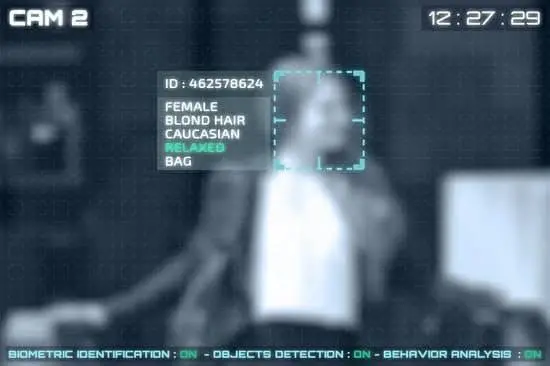
Facial Recognition CCTV Systems: What UK Businesses Need To Consider