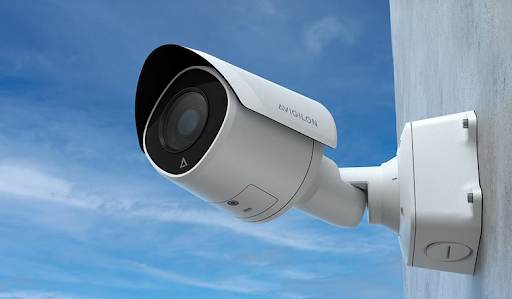
A commercial intruder alarm system is one of the most effective security measures you can put in place. Whether you run a small retail shop or manage a multi-site warehouse operation, understanding how these systems work, the relevant UK regulations and how to choose the right one can save you from costly losses and operational disruptions.

What Is A Commercial Intruder Alarm System?
A commercial intruder alarm system is a network of sensors, control panels and signalling devices designed to detect and alert you to unauthorised entry. Unlike domestic alarms, these systems are built for larger, more complex environments and can integrate with other security measures such as CCTV, access control and monitoring services.
While the term intruder alarm systems can cover both residential and commercial setups, the commercial versions are typically more robust, often incorporating advanced detection methods, multiple zones and the ability to link with remote alarm receiving centres (ARCs) for 24/7 monitoring.
How Does It Work?
At its core, a commercial intruder alarm system operates through a combination of:
- Detection Devices: These include motion detectors (PIRs), door and window contacts, glass-break sensors and vibration detectors. Each is strategically placed to cover vulnerable entry points or sensitive areas.
- Control Panel: The central hub that processes signals from sensors. If an intrusion is detected, the panel triggers alarms locally and/or sends alerts to an ARC.
- Signalling and Notification: Depending on the system type, alarms can sound onsite, send text alerts or notify a monitoring station, which may in turn contact the police or a keyholder.
- Arming and Disarming: Staff can arm or disarm the system via keypads, fobs or smartphone apps. In higher-security sites, dual verification or timed entry delays are often used.
UK-Specific Regulations And Standards
In the UK, commercial intruder alarm systems are subject to grading standards defined by EN 50131. These grades range from 1 (low risk) to 4 (very high risk). Most commercial premises fall into Grades 2 or 3, depending on the value of assets and the likelihood of a targeted attack.
Additionally, insurers often require systems to be installed and maintained by certified providers – typically those accredited by the NSI (National Security Inspectorate) or SSAIB (Security Systems and Alarms Inspection Board). Failing to meet these requirements could invalidate insurance claims.
Police response is also governed by NPCC (National Police Chiefs’ Council) guidelines, meaning only systems installed to recognised standards with monitored signalling can receive an immediate police response.
Why They’re Essential For Businesses
Theft and vandalism can result in far more than just the replacement cost of stolen goods – there’s the downtime, lost contracts and damage to reputation. Commercial intruder alarm systems act as both a deterrent and a rapid-response tool, ensuring that any breach is detected and addressed quickly.
They also offer peace of mind. Knowing your premises are protected outside business hours can help you focus on operations rather than security concerns.
Choosing The Right System
When selecting a commercial intruder alarm system, consider:
- Risk assessment
- System grade
- Monitoring options
- Integration
- Installer certification
Maintaining Your System
Regular maintenance is not just good practice – it’s often an insurance condition. Routine checks ensure sensors are working correctly, batteries are healthy and signalling paths remain operational. Many providers offer annual service contracts to keep your system compliant and reliable.
From complying with UK grading standards to meeting insurance requirements, choosing the right system and installer will protect both your assets and your peace of mind. By understanding how these systems work and maintaining them properly, you ensure that your business is prepared for whatever security challenges come its way. Get in touch with our team here at AEL systems to find out more.
Alarm Systems For Businesses: What You Need To Know