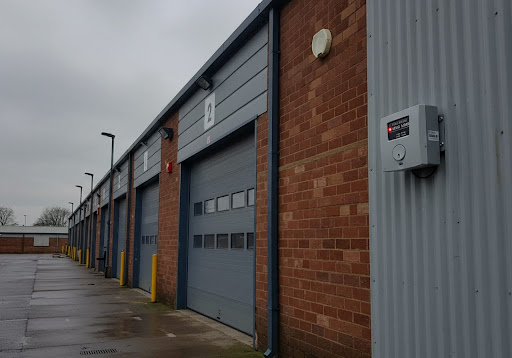
The use of CCTV in schools can significantly enhance safety, deter inappropriate behaviour and assist in investigating incidents.

However, in the UK, schools must operate within strict legal boundaries, particularly under the General Data Protection Regulation (GDPR) and the Data Protection Act 2018. This guide explains how to stay compliant, protect pupil privacy and maximise the benefits of CCTV cameras in schools without breaching data protection laws.
GDPR And CCTV In Schools – The Legal Foundation
Under UK GDPR, CCTV footage that identifies individuals is considered personal data. Schools, as data controllers, have a legal obligation to ensure this data is processed lawfully and transparently. The purpose of CCTV use must be clearly defined—such as safeguarding pupils, preventing crime or monitoring site access—and cannot be expanded without a valid legal basis.
Compliance also means adhering to the data protection principles: data minimisation, accuracy, storage limitation, integrity, confidentiality and accountability. Simply installing cameras without these considerations could lead to regulatory action from the Information Commissioner’s Office (ICO).
Conducting A Data Protection Impact Assessment (DPIA)
Before introducing or expanding CCTV systems, schools should carry out a Data Protection Impact Assessment. This process identifies potential privacy risks and ensures they are proportionate to the intended security benefits.
A DPIA should consider:
- The necessity of CCTV for the stated purpose.
- The positioning of cameras to avoid unnecessary intrusion (for example, avoiding classrooms unless essential).
- How long footage will be stored.
- Measures for restricting access to authorised personnel only.
Documenting this assessment is critical as it demonstrates that the school has taken GDPR compliance seriously and made informed decisions.
Maintaining Transparency With The School Community
Transparency is essential for trust. Schools must clearly inform staff, students and parents about the presence and purpose of CCTV. This can be achieved through:
- Visible signage at CCTV locations.
- Updates in privacy notices or data protection policies.
- Information on the school’s website detailing how footage is used and stored.
This openness reassures stakeholders that the system is there to protect, not to monitor unnecessarily.
Best Practices For Data Storage, Access And Retention
To comply with UK GDPR, schools must handle CCTV footage securely:
- Storage: Footage should be stored on secure, encrypted systems.
- Access: Only trained, authorised personnel should view footage. Access logs should be maintained.
- Retention: Footage should be kept only as long as necessary for the stated purpose—often no more than 30 days unless required for an investigation.
Schools should also have clear procedures for handling requests for footage, such as Subject Access Requests (SARs), ensuring they respond within the statutory time limits.
Developing A Strong CCTV Policy
A robust CCTV policy underpins effective and compliant use. This should cover:
- The lawful basis for CCTV use.
- Camera placement and operation guidelines.
- Data handling, storage and retention schedules.
- Procedures for responding to data breaches or misuse.
Having this documented policy makes it easier to train staff, respond to enquiries and evidence compliance during inspections or audits.
Balancing Security With Privacy
The benefits of CCTV cameras in schools are clear in terms of deterring vandalism, improving pupil behaviour and enhancing emergency response. Yet these advantages must be balanced with the privacy rights of students and staff. Unnecessary or overly intrusive surveillance can damage trust and may breach GDPR.
Schools should regularly review whether each camera is still necessary, whether less intrusive measures could be effective and whether the system’s coverage aligns with the original DPIA findings.
Understanding GDPR and CCTV in schools is not just about avoiding fines, it’s also about protecting the rights of pupils and staff while maintaining a safe learning environment. By conducting thorough DPIAs, ensuring transparency and developing a clear policy, UK schools can responsibly harness the benefits of CCTV while staying compliant. Find out more from our team hear at AEL Systems.
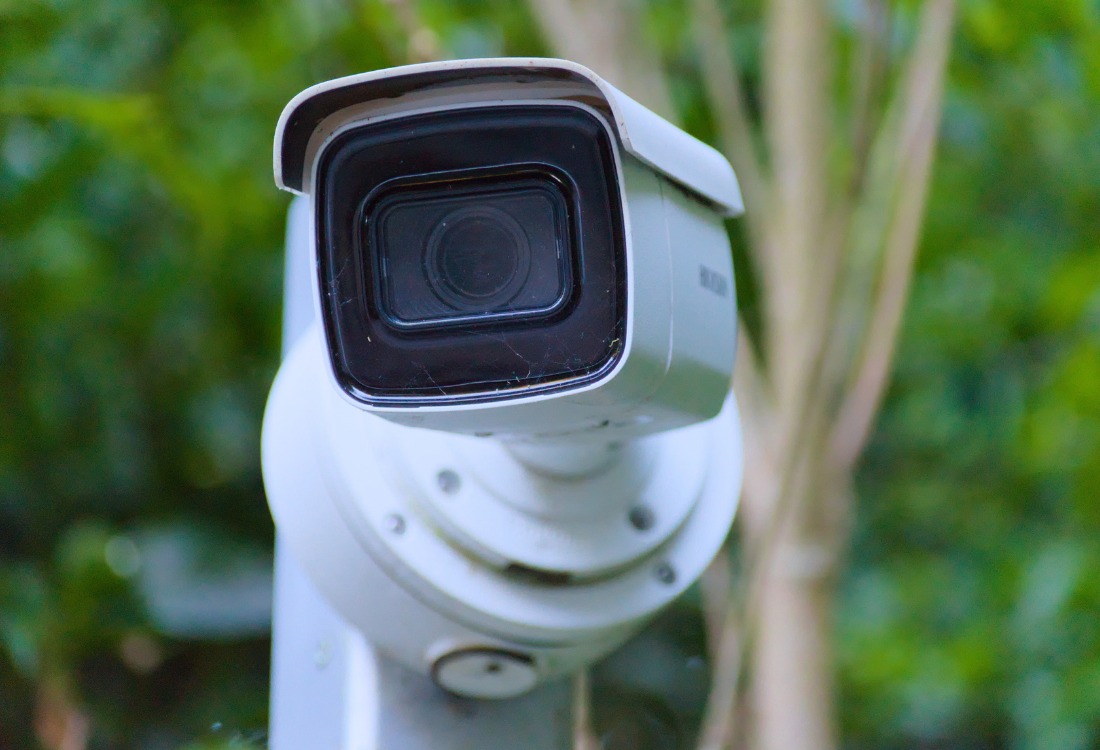
Why CCTV Cameras In Schools Are Essential for Safety and Security
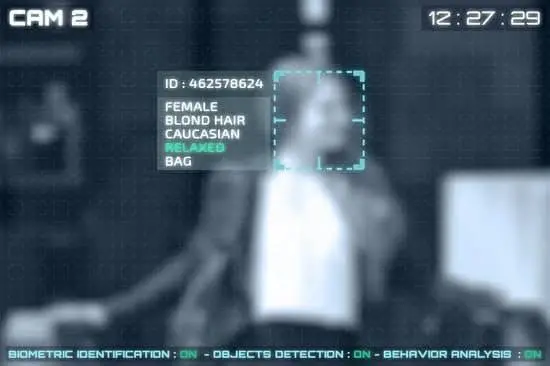
Facial Recognition CCTV Systems: What UK Businesses Need To Consider