
Protecting your business premises from theft, vandalism and unauthorised access is a priority for every company, regardless of size or industry. An effective business security alarm system can be the difference between preventing a crime and dealing with costly losses. This guide explains the types of alarm systems for businesses, how they work, the relevant UK standards and the key factors to consider when choosing and maintaining one.

Types Of Alarm Systems For Businesses
A modern alarm system for businesses can be tailored to suit the specific risks and layout of your premises. The main types include:
- Bells-Only (Audible) Systems: These sound a loud alarm when triggered, alerting people nearby but relying on someone to take action.
- Monitored Systems: Connected to an Alarm Receiving Centre (ARC), these send alerts to keyholders or the police depending on the monitoring arrangement.
- Wireless Systems: Easier to install, with sensors connected to the control panel via secure radio signals.
- Hybrid Systems: A combination of wired and wireless components, offering both reliability and flexibility.
Some systems also integrate with CCTV or access control for a more comprehensive security approach.
How They Work
All alarm systems for businesses work on the same basic principle: sensors detect unusual activity, the control panel processes this information and an alert is triggered.
- Sensors: Motion detectors, door contacts, glass-break sensor or vibration detectors identify unauthorised movement or tampering.
- Control Panel: The system’s brain, processing sensor signals and deciding whether to raise an alarm.
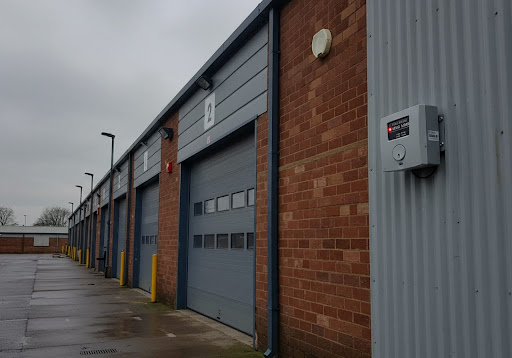
- Signalling Devices: Sirens, flashing lights or communication with a monitoring station notify you and, if applicable, the police.
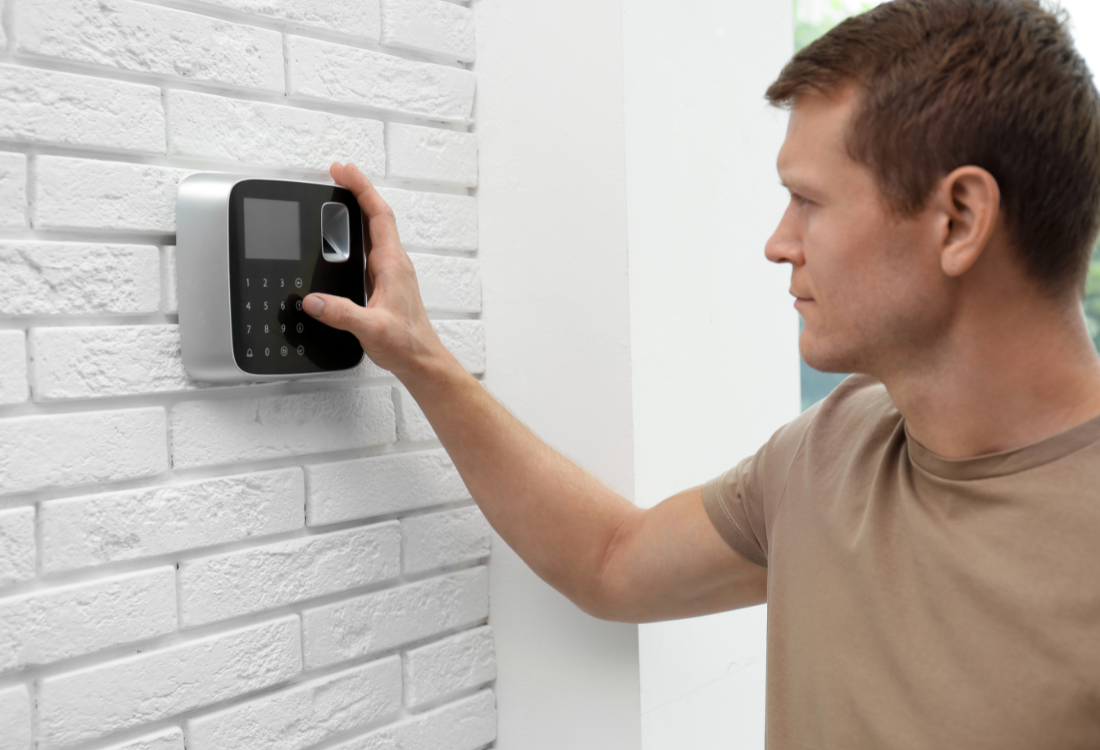
Staff arm or disarm the system via keypads, fobs or mobile apps, and higher-security sites may require dual verification.
UK Standards And Police Response
In the UK, business alarm systems are graded under the EN 50131 standard, ranging from Grade 1 (low risk) to Grade 4 (very high risk). Most businesses require Grade 2 or Grade 3 systems to meet insurance and security needs.
If you want police response, your system must be installed and monitored in line with NPCC (National Police Chiefs’ Council) guidelines. Only systems fitted by accredited companies – typically certified by the NSI (National Security Inspectorate) or SSAIB (Security Systems and Alarms Inspection Board) – are eligible for police response.
Insurance And Compliance
Many insurers require a specific alarm grade and professional installation before they’ll provide cover for theft or break-in losses. Failure to meet these conditions could invalidate claims. Always confirm with your insurer before installation and keep maintenance records up to date.
Monitoring Options
- Keyholder Response: The ARC contacts nominated keyholders if the alarm triggers.
- Police Response: The ARC notifies the police, who respond according to the verified alarm signal.
- Self-Monitoring: Alerts sent directly to your phone, suitable for smaller operations but dependent on your availability.
Maintenance And Servicing
A business security alarm system is only as good as its upkeep. Regular servicing ensures sensors work correctly, batteries remain healthy and communication paths are secure. Most accredited installers offer annual maintenance contracts, which also help maintain insurance compliance.
Choosing The Right Alarm System
When selecting an alarm system for businesses, consider:
- Risk Assessment: Match the system grade to your premises’ risk profile.
- Scalability: Choose a system that can grow with your business.
- Integration: Combine with CCTV or access control if needed.
- Accreditation: Use NSI or SSAIB-approved installers for quality assurance
Choosing the right business security alarm system is about protecting your livelihood, staff and assets. By understanding the types of alarm systems for businesses, how they work and the UK-specific compliance requirements, you can make an informed choice that offers both peace of mind and practical protection. Get in touch with our AEL Systems team to find out more.
What Is A Commercial Intruder Alarm System And How Does It Work?
Business Intruder Alarm Systems: Why Certification Matters